
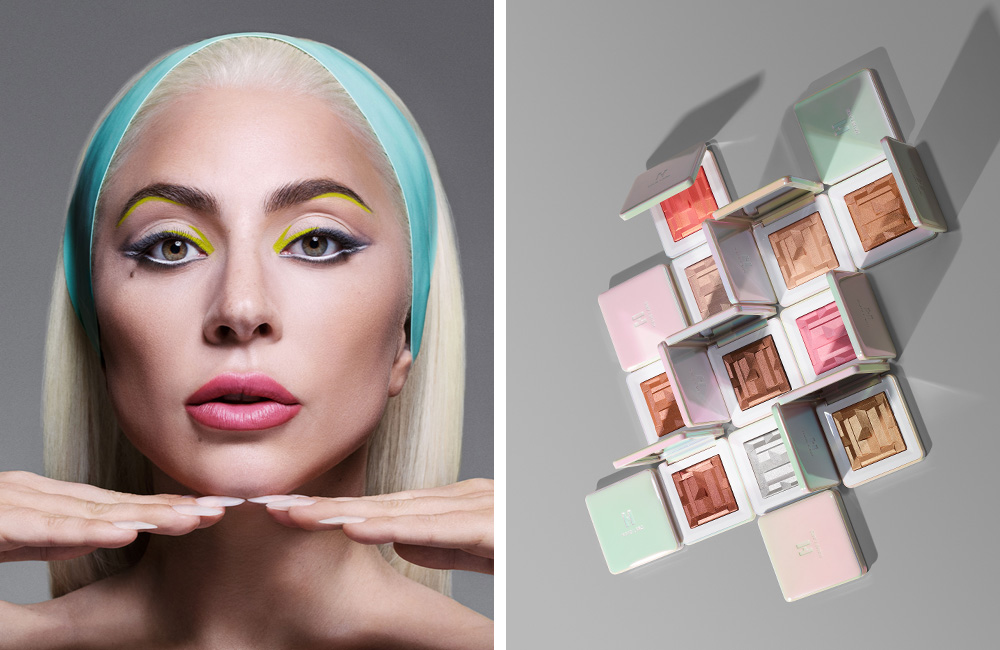

A personal brand is no longer just a byproduct of fame. It is a highly engineered, multi-million dollar asset. Decades ago, celebrities relied entirely on their core talent, whether acting, singing, or athletics, to sustain public interest. Today, a celebrity persona functions exactly like a corporate entity.
Building and shielding this asset requires an intricate mix of digital strategy, business infrastructure, legal protection, and advanced crisis management. In an era dominated by instant online communication, synthetic media, and shifts in public sentiment, maintaining a flawless and profitable brand demands relentless strategic navigation.
The Architecture of Celebrity Brand Building
The modern process of constructing a high-profile brand relies on shifting from general visibility to a deeply targeted, multi-platform presence. Celebrities do not merely chase broad popularity; they cultivate distinct narrative frameworks and commercial channels.
Cultivating Narrative Authenticity
Audiences can immediately detect forced or overly corporate messaging. To combat this, public figures utilize controlled vulnerability. By sharing behind-the-scenes struggles, personal milestones, and unfiltered thoughts on social media, they establish an illusion of direct access. This emotional connection forms the bedrock of consumer trust, transforming casual viewers into fiercely loyal advocates.
Strategic Visual Semiotics and Sensory Assets
A memorable personal brand requires instant visual recognition. Public figures carefully select unique style anchors, color palettes, and recurring themes that register immediately with the public. Whether it is a signature haircut, a specific color scheme in their content, or a distinct fashion silhouette, these visual cues act as human logos. Some icons expand this into sensory branding, coordinating product releases, such as custom fragrances or food partnerships, with their creative projects to build a multi-sensory experience.
Building Micro-Communities and Owned Channels
Relying solely on third-party social media algorithms poses a significant business risk. High-profile figures increasingly steer their audiences away from public feeds and into owned ecosystems. This includes:
-
Proprietary mobile applications offering exclusive content.
-
Subscription-based newsletters that provide direct communication without algorithmic filtering.
-
Private fan communities where the celebrity can test concepts, launch merchandise, and gather valuable audience data.
Focusing on these dedicated spaces ensures that the brand maintains steady conversion rates and continuous engagement, independent of changing platform rules.
Commercialization and Monetization Systems
Once a celebrity establishes a robust audience, the focus shifts toward converting attention into equity. The old model of transactional, one-off endorsements has evolved into direct business ownership.
Equity Over Endorsement Fees
Rather than accepting a flat fee to appear in a commercial, modern public figures demand equity stakes, revenue splits, or full ownership of companies. By co-founding or investing heavily in consumer goods brands, cosmetics lines, or tech startups, celebrities align their financial success with the long-term performance of the company. This shift turns a temporary marketing campaign into a sustainable wealth-generating asset.
Proof-of-Work Branding
Modern audiences value expertise and real-world execution over hollow statements. High-profile individuals routinely share their creative processes, business meetings, and strategic decisions publicly. Demonstrating this background labor proves their competence, builds long-term authority, and gives consumers confidence that the celebrity is genuinely involved in the products they sell.
The Shield: Legal Protection of the Persona
As a personal brand grows in value, it becomes a target for unauthorized commercial use, defamation, and digital theft. Protecting this asset requires an aggressive, multi-layered legal framework.
Right of Publicity and Personality Rights
The right of publicity gives individuals the exclusive right to control the commercial exploitation of their name, image, likeness, or voice. Legal teams continuously monitor the market to prevent unauthorized entities from using a celebrity’s persona to sell merchandise, run scam ads, or endorse products without explicit consent. Courts have consistently stepped in to grant fast injunctions against unknown or unauthorized parties trying to profit off a famous reputation.
Strategic Trademark Pipelines
A cornerstone of brand preservation is the proactive filing of trademarks. Celebrities do not just trademark their stage names; they protect catchphrases, signature gestures, logos, and even the names of their children. By establishing these legal boundaries early, they prevent copycats from camping on relevant digital domains or launching unauthorized product lines that could dilute the brand’s marketplace position.
Combatting AI Misuse and Deepfakes
The rapid advancement of artificial intelligence presents a dangerous challenge to celebrity brands. Synthetic voice cloning and deepfake video technologies allow bad actors to create highly realistic, unauthorized content that can destroy trust overnight. Legal teams use digital watermarking and metadata verification to prove content authenticity, while working closely with platform providers to enforce swift takedowns of artificial or malicious media.
Advanced Crisis Management Protocols
Even the most calculated personal brand can face swift public backlash. When a reputation crisis hits, public figures rely on strict, time-sensitive playbooks to contain damage and regain narrative control.
The Power of Strategic Silence
When public outrage builds, rushing to issue a hasty apology often backfires. Experienced crisis teams evaluate whether a situation warrants an immediate response or if issuing a statement will simply amplify a niche issue. If the core facts are unclear or if legal proceedings are active, strategic silence protects the celebrity from making damaging admissions while the team gathers accurate information.
Preserving Sponsor and Corporate Trust
A personal crisis can trigger morals clauses in corporate contracts, leading to canceled endorsement deals and massive financial losses. To protect these relationships, a celebrity’s team must communicate directly and transparently with corporate partners immediately. Demonstrating accountability and presenting a clear, actionable plan to fix the issue reassures corporate stakeholders and protects vital revenue streams.
Frequently Asked Questions
How do morals clauses in corporate contracts impact a celebrity’s personal brand?
Morals clauses are standard legal provisions in endorsement and partnership contracts that grant corporations the right to terminate an agreement immediately if a celebrity engages in behavior that brings public disrepute, scandal, or contempt. These clauses force public figures to maintain a level of public behavior that aligns with their corporate sponsors’ values. A breach can result in lost revenue, heavy financial penalties, and a sudden drop in marketability, making strict adherence to brand guidelines a financial necessity.
What is the role of Generative Engine Optimization in modern celebrity reputation repair?
Generative Engine Optimization involves structuring a public figure’s online information so that artificial intelligence search platforms and generative answer engines summarize their profile accurately. When a crisis occurs, AI models pull from the most recent and highly repeated online data. By aggressively publishing accurate, optimized content on authoritative sites and verified platforms, a celebrity’s PR team ensures that AI search engines retrieve balanced, factual summaries rather than malicious rumors.
How do celebrities legally handle parody accounts that damage their brand identity?
While parody and satire are generally protected under free speech principles, celebrities can take legal action if an account crosses the line into consumer confusion, trademark infringement, or outright fraud. If a parody account deliberately misleads the public into believing it is the official voice of the celebrity, uses trademarked logos to sell unauthorized merchandise, or spreads malicious falsehoods, legal teams can leverage platform terms of service and trademark laws to have the account suspended or permanently removed.
What concrete steps do business managers take to value a personal brand for financial loans?
To secure financing against a personal brand, business managers analyze predictable, contractual revenue streams directly tied to the individual’s persona. This includes evaluating future royalty structures from intellectual property, active licensing agreements, guaranteed multi-year media contracts, and historical merchandise sales. Financial institutions use these tangible data points, alongside comprehensive market-demand analysis, to assess the overall asset value and determine borrowing capacity.
How does the death of a celebrity alter the legal protection and management of their brand?
When a celebrity passes away, the management of their personal brand transfers to their estate or a designated trust, which oversees post-mortem publicity rights. In many jurisdictions, the right of publicity extends for decades after death, allowing the estate to license the individual’s name, likeness, and voice for archival projects, commercial products, or digital media. The estate must continuously monitor the market to block unapproved uses, manage tax obligations tied to the brand’s ongoing valuation, and ensure that new commercial ventures respect the historical legacy of the individual.
Why do some public figures establish anonymous corporate entities to manage their brand assets?
Celebrities frequently utilize anonymous corporate entities, such as limited liability companies registered in privacy-friendly jurisdictions, to handle their business operations, real estate acquisitions, and intellectual property filings. This strategy shields the individual’s personal identity from public databases, reducing security risks and stalking threats. It also provides a structured corporate barrier that isolates personal legal liabilities from commercial assets, ensuring that a lawsuit against one business venture does not directly expose their entire wealth portfolio.

Comments are closed.