
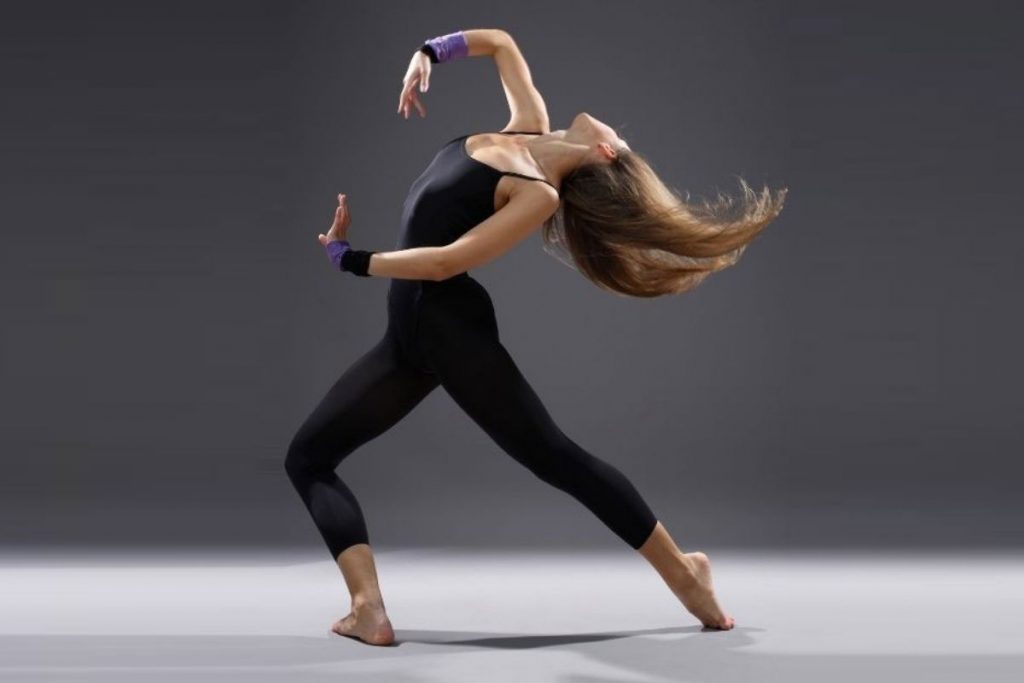

Movement is one of the most primal forms of human expression. Long before language was formalized, communities used rhythmic movement to communicate, celebrate, heal, and bond. While modern society often treats dance as a highly specialized performance art or a casual weekend hobby, neuroscientists, kinesiologists, and psychologists view it as a profound therapeutic tool.
The act of moving the body to a rhythm triggers a complex web of physical and psychological adaptations. Unlike repetitive exercises like running on a treadmill or lifting weights, dancing demands a rare combination of physical exertion, structural coordination, musical interaction, and emotional vulnerability. Exploring how this art form rewires the brain, strengthens the musculoskeletal system, and heals emotional trauma reveals why rhythm is essential to human health.
Neuroplasticity and the Dancing Brain
The neurological benefits of dance stem primarily from its unique combination of cognitive demands. When a person dances, they are not just moving their muscles; they are solving complex spatial and temporal puzzles in real time. This multidimensional engagement triggers neuroplasticity, which is the brain’s ability to reorganize itself by forming new neural connections.
Stimulating the Hippocampus
Studies tracking the brains of older adults have shown that regular, structured dance training can increase the volume of the hippocampus. This is the region of the brain primarily responsible for memory, learning, and spatial navigation. Because dancing requires memorizing steps, adjusting to changes in tempo, and navigating a room relative to other people, it forces the hippocampus to work at peak capacity. This structural growth helps protect against age-related cognitive decline and reduces the risk of developing neurodegenerative conditions like dementia.
Dual-Task Training Benefits
Neurologists often use the term dual-task training to describe activities that require simultaneous physical and mental effort. Dance is a premier example of this concept. A dancer must simultaneously:
-
Recall a sequence of movements from memory.
-
Synchronize those movements with an external auditory rhythm.
-
Maintain physical balance and posture while shifting their weight.
-
Monitor their surroundings to avoid colliding with objects or other dancers.
This intense mental processing strengthens the white matter in the brain, improving communication between the left and right hemispheres. Over time, this enhances overall cognitive flexibility, processing speed, and executive functioning skills in daily life.
Physical Evolution: Beyond Basic Cardio
From a biomechanical perspective, dance offers a complete structural workout that traditional fitness routines struggle to match. Most conventional gym exercises occur in a single plane of motion, usually moving forward and backward or up and down. Dance, however, forces the body to operate across all anatomical planes, creating a more resilient physical structure.
Enhancing Proprioception and Spatial Awareness
Proprioception is the body’s ability to perceive its own position, movement, and spatial orientation without looking. Dance refines this internal sensory network. By constantly shifting weight, turning, and moving at varying levels of height, dancers train their mechanoreceptors, which are the sensory receptors in muscles and joints. This heightened awareness directly translates to superior balance, agility, and a significantly lower risk of slips, trips, and falls outside the studio.
Functional Core Stability and Muscle Architecture
Unlike machines that isolate specific muscle groups, dance relies on global movement patterns. Every jump, twist, and suspension requires deep stabilization from the core, pelvic floor, and spinal muscles. This kinetic demands build functional strength, which supports the skeleton during everyday movements like lifting groceries or climbing stairs. Furthermore, the constant lengthening and contracting of muscles during dance routines promotes long, resilient muscle fibers, optimizing joint mobility and reducing chronic stiffness.
The Chemistry of Rhythm: Emotional and Mental Mastery
The psychological shift that occurs during a dance session is rooted in endocrine and neurochemical changes. Engaging in synchronized rhythmic movement systematically alters the chemical composition of the bloodstream, providing an immediate antidote to chronic stress and mood disorders.
Breaking the Cortisol Cycle
Chronic stress floods the human body with cortisol, a hormone that impairs immune function, disrupts sleep, and degrades cognitive performance. Engaging in rhythmic movement helps downregulate the sympathetic nervous system, which drives the fight-or-flight response, and activates the parasympathetic nervous system, which promotes rest and recovery. This shift reduces circulating cortisol levels, alleviates physical muscle tension, and lowers resting blood pressure.
Cultivating the Flow State
Psychologists define the flow state as a period of deep optimal performance where a person becomes entirely immersed in an activity, losing their sense of time and self-consciousness. The complex combination of music, movement, and expression makes dance an ideal vehicle for achieving this state. Entering a state of flow silences the default mode network of the brain, which is the region associated with obsessive worrying, negative self-talk, and anxiety. This mental break provides profound psychological relief and restores a sense of internal control.
Social Synch and Collective Belonging
When individuals dance together in a group or with a partner, they experience a phenomenon known as behavioral synchrony. Moving in time with others triggers a surge of endorphins and oxytocin, the hormones responsible for social bonding and empathy. This chemical release creates a powerful sense of community and collective belonging, breaking down social barriers and reducing the profound feelings of loneliness and isolation that characterize modern life.
Somatic Healing and Trauma Release
One of the most significant frontiers in modern psychology is somatic therapy, which recognizes that psychological trauma is often stored physically within the tissues and nervous system of the body. Traditional talk therapies operate from the top down, attempting to heal the mind to fix the body. Dance reverses this dynamic, operating from the bottom up.
Releasing Emotional Blockages
When a person experiences prolonged trauma or stress, they often develop chronic muscular armor, which is a subconscious tightening of specific muscle groups to protect the body from perceived danger. This tightness frequently manifests in the hips, shoulders, and chest. Expressive, unchoreographed movement allows individuals to safely explore these guarded areas, gently releasing the stored physical tension and processing the underlying emotions without needing to find verbal words for their pain.
Reclaiming Physical Agency
Trauma often leaves individuals feeling disconnected from or betrayed by their physical bodies. Dance provides a structured, safe environment to rebuild that fractured relationship. By choosing how to move, experiment with space, and exert physical force, a person reclaims absolute agency over their physical form. This somatic empowerment helps individuals transition from feeling like a passive observer of their body to an active, confident participant in their physical life.
Frequently Asked Questions
What is the distinction between dance movement therapy and a standard dance class?
A standard dance class focuses primarily on technical skill acquisition, choreography memorization, performance aesthetics, and physical fitness under the guidance of an instructor. In contrast, dance movement therapy is a clinical psychological intervention conducted by a licensed therapist. It utilizes movement as an expressive process to evaluate and treat emotional, cognitive, physical, and social integration issues, prioritizing internal emotional processing over external performance perfection.
How does dancing affect the vestibular system compared to traditional linear exercises?
The vestibular system, located in the inner ear, regulates balance, spatial orientation, and coordinate movement. Traditional linear exercises like running or cycling stimulate this system in a highly repetitive, single direction. Dancing requires rapid changes of head position, spinning, tilting, and sudden directional shifts. This varied movement forces the vestibular system to constantly recalibrate, which sharpens spatial tracking, strengthens dynamic balance, and reduces vulnerability to motion sickness and dizziness.
Can individuals with severe physical mobility limitations still experience the cognitive benefits of dance?
Yes, the cognitive benefits of dance are not dependent on high-impact physical execution. Seated dance programs and modified movement routines engage the identical neural pathways required for auditory processing, sequence planning, rhythm synchronization, and spatial imagination. The mental visualization of movement, combined with rhythmic upper-body tracking, still triggers neuroplasticity, memory stimulation, and the neurochemical releases that elevate mood and cognitive performance.
How does the brain process the relationship between auditory rhythm and motor execution during dance?
This synchronization relies on a process called entrainment, where the brain’s motor system aligns with an external auditory beat. When music plays, the auditory cortex instantly communicates with the cerebellum, basal ganglia, and supplementary motor area. These regions calculate the timing of the rhythm and predict when the next beat will occur, allowing the motor cortex to execute muscle movements in perfect alignment with the music, creating a highly efficient neural feedback loop.
Why is dancing considered more effective at preventing cognitive decline than passive mental puzzles like crosswords?
Passive mental puzzles engage isolated cognitive domains, primarily working memory and linguistic or mathematical logic. Dancing is a global neurological event that forces the brain to simultaneously manage visual, auditory, emotional, motor, and spatial processing networks. This comprehensive lifestyle demand builds a much larger network of backup neural connections, known as cognitive reserve, which makes the brain significantly more resilient against structural damage and neurological decline.
What role does mirror neuron activation play during group dance or partner dancing?
Mirror neurons are specialized brain cells that fire both when an individual performs an action and when they observe someone else performing that same action. During group or partner dancing, these neurons fire continuously as dancers track each other’s physical expressions and movements. This collective neural mirroring heightens interpersonal empathy, accelerates motor skill learning through subconscious imitation, and amplifies the feelings of social connection and safety within the group.

Comments are closed.